We believe that a person's story is bigger than their displacement. We reject the negative framing of refugees as "helpless" or "poor." Instead, we choose to see friends and neighbors.
Spanish · noun · "friend"
We use the word Amigo because "Refugee" often carries a weight of negative impressions. We refuse to frame human beings through the lens of poverty or helplessness. To us, they are friends. Relationship is the only frame that restores dignity.
Amigo began with a simple conviction: that genuine friendship can restore dignity and open pathways to new life. Amigo's story began with Hannah, a missionary whose journey of hospitality and accompaniment first took shape in the United Kingdom.
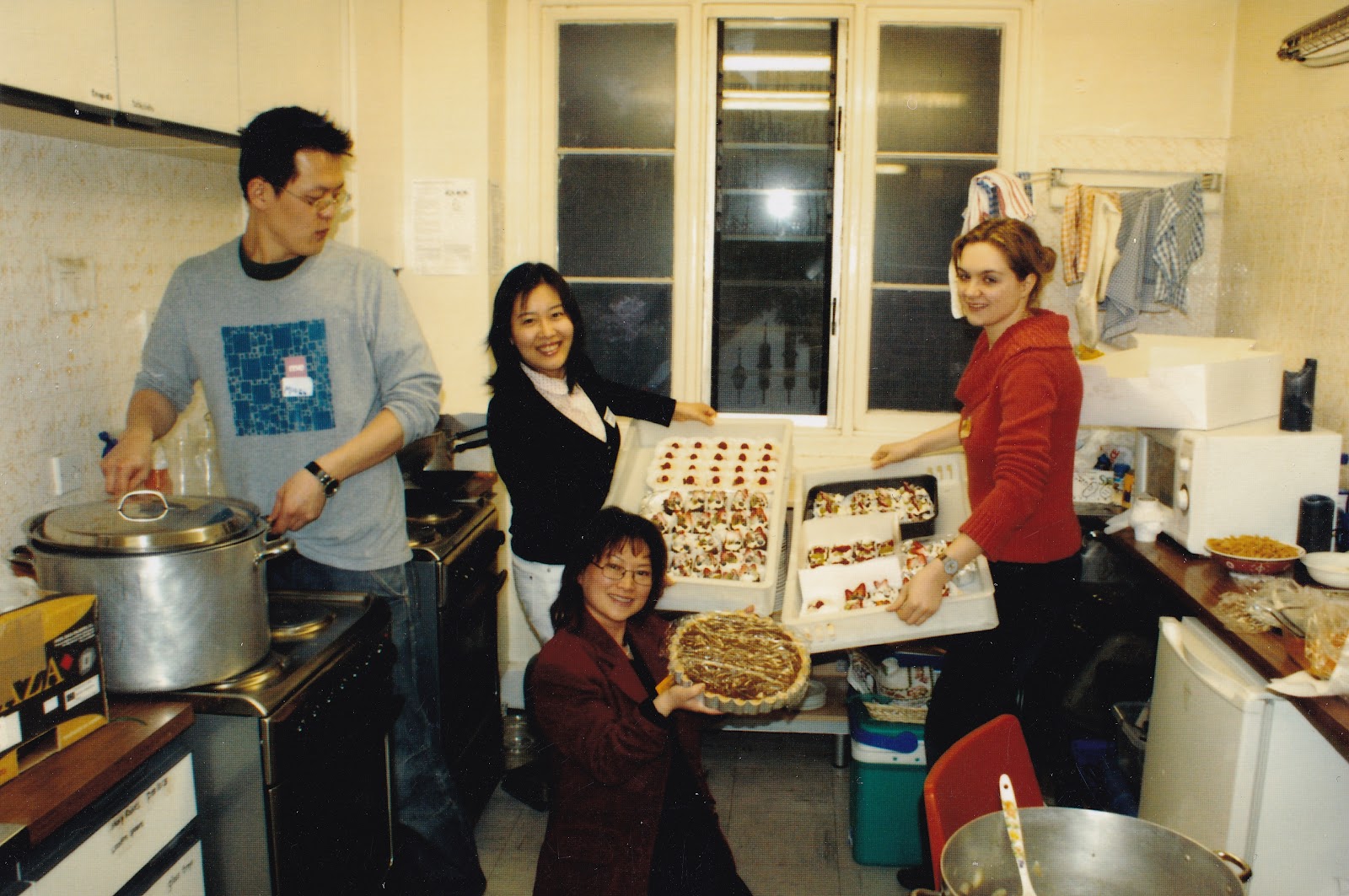
While living in the UK, Hannah encountered refugees and immigrants facing isolation, language barriers, and unfamiliar systems. Responding through everyday acts of friendship — sharing meals, offering practical help, simply being present — she began walking alongside people navigating displacement and uncertainty.
"As Hannah's calling led her to South Korea, these same values took deeper root. Opening her life and home to refugees, North Korean defectors, and marginalized families, what began as small acts of hospitality gradually grew into a community grounded in trust and long-term relationships."
Walking with families through language challenges, daily life, and complex systems became the foundation of Amigo. Guided by biblical values of love, justice, and service, Amigo responds to both practical and relational needs. Today, Amigo continues to grow as a faith-rooted community that sees refugees not as recipients of aid, but as neighbors and friends.
Together, we seek restoration, resilience, and a more compassionate society where everyone has a place to call home.
We work alongside refugees in South Korea, providing practical support to help them access education, public services, and community as they build new lives.
We support refugees in overcoming language and learning barriers by providing educational opportunities that build skills, confidence, and pathways toward employment and long-term independence.
We walk alongside refugees as they rebuild their lives by offering practical and emotional support, strengthening well-being, restoring dignity, and fostering meaningful community connections.
We support refugees who are often excluded from government systems by providing clear guidance on public policies, assisting with applications, and accompanying them through complex administrative processes.
Amigo's work is not about one-time assistance. It is about long-term accompaniment rooted in friendship. We believe every person is created in the image of God and deserves to be treated with respect, compassion, and a sense of belonging.
Most organizations measure success in transactions. Amigo measures it in years — in trust built slowly, in relationships that hold through hard seasons, in the moment a refugee family realizes they are not navigating this alone.
"Together, we seek restoration, resilience, and a more compassionate society where everyone has a place to call home."
We believe every person is created in the image of God. This conviction shapes everything — how we speak, how we listen, and how we walk alongside those entrusted to our care.
Genuine friendship takes time. Amigo commits to relationships that last — showing up not just in crisis, but in the ordinary, daily seasons of rebuilding a life.
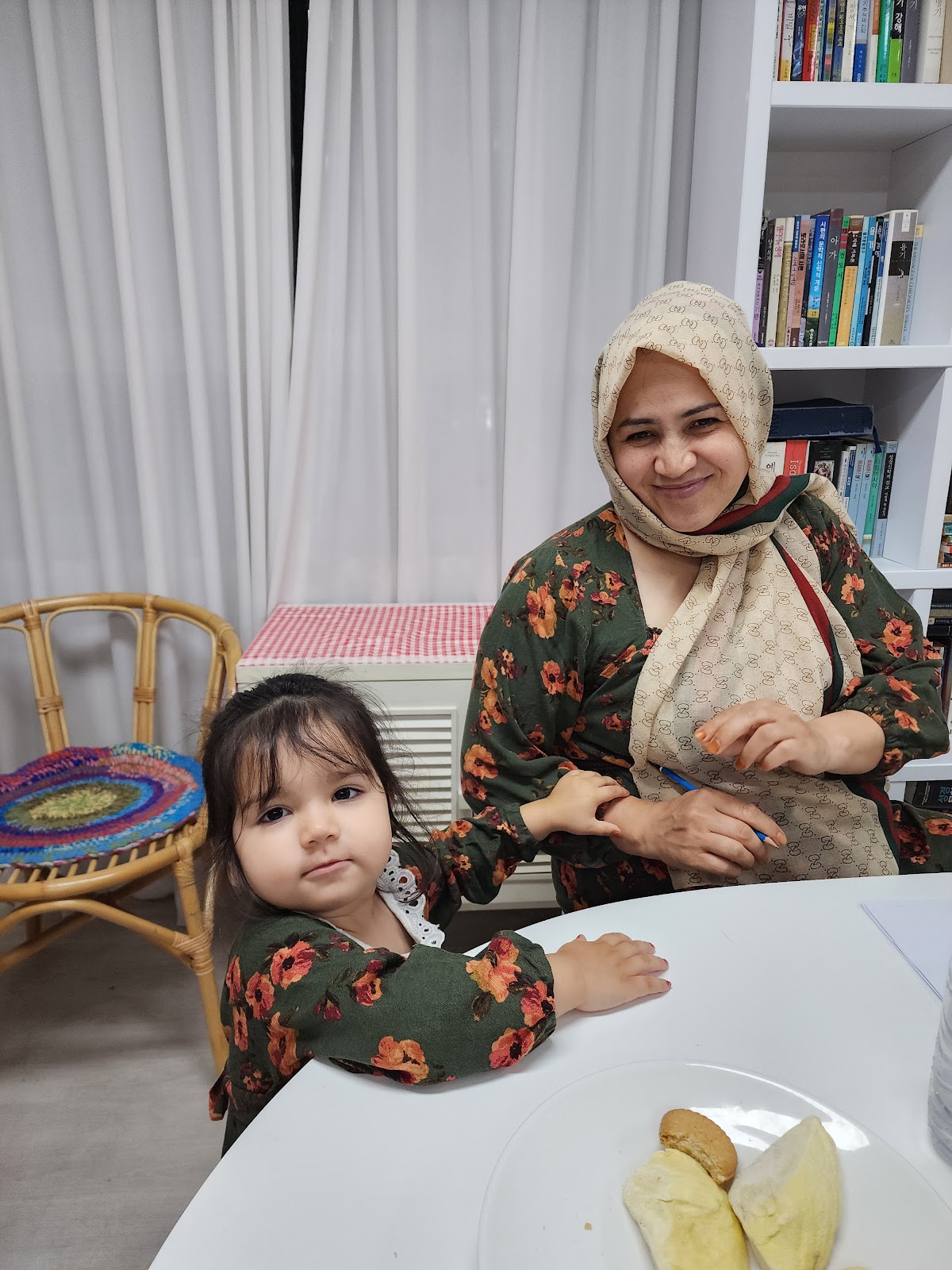
Refugees are not recipients of charity. They are neighbors, friends, and equal participants in the community we are building together. Amigo exists for restoration, not dependency.
Guided by biblical values of love, justice, and service, Amigo responds to both practical and relational needs — because people are whole human beings, not problems to be processed.
Amigo is built by people who believe what Hannah believes — that showing up consistently, year after year, is the most powerful thing you can do for someone.

Year Amigo was founded
Refugees and families walked alongside
Programs: Education, Community, Advocacy
Locations: Seoul and Forest Small House, Pohang
Whether you give financially, volunteer your time, pray for the work, or simply tell someone about Hannah's House — every act of faithfulness matters. You do not have to do everything. You just have to begin.
Your financial gift funds the presence that makes everything else possible. No gift is too small when it is given with intention.
Amigo always needs people who are willing to show up, use their skills, and stay for more than a day.
Churches, organizations, and businesses that share our values are welcome to explore what partnership with Hannah's House could look like.
Explore photos and stories from years of ministry — International Cafe, retreats, classes, and moments that have shaped our community.
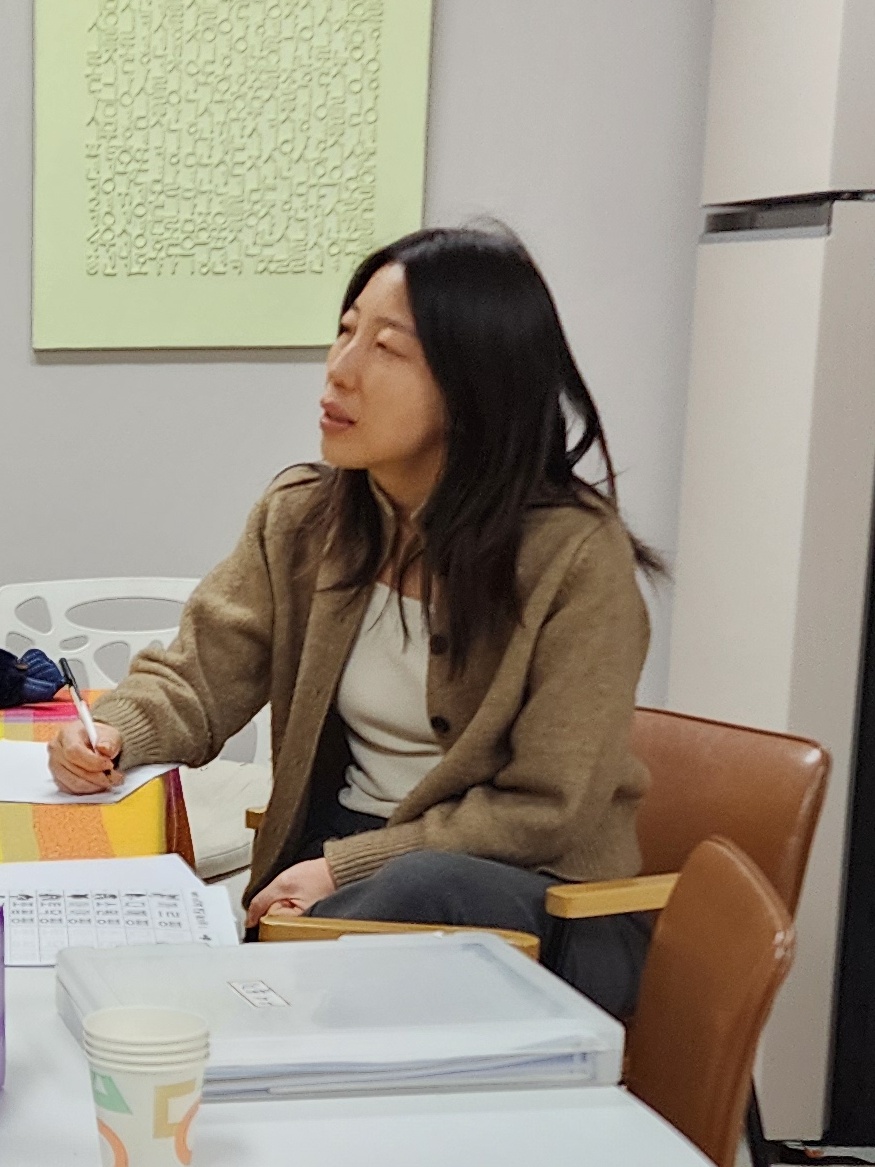
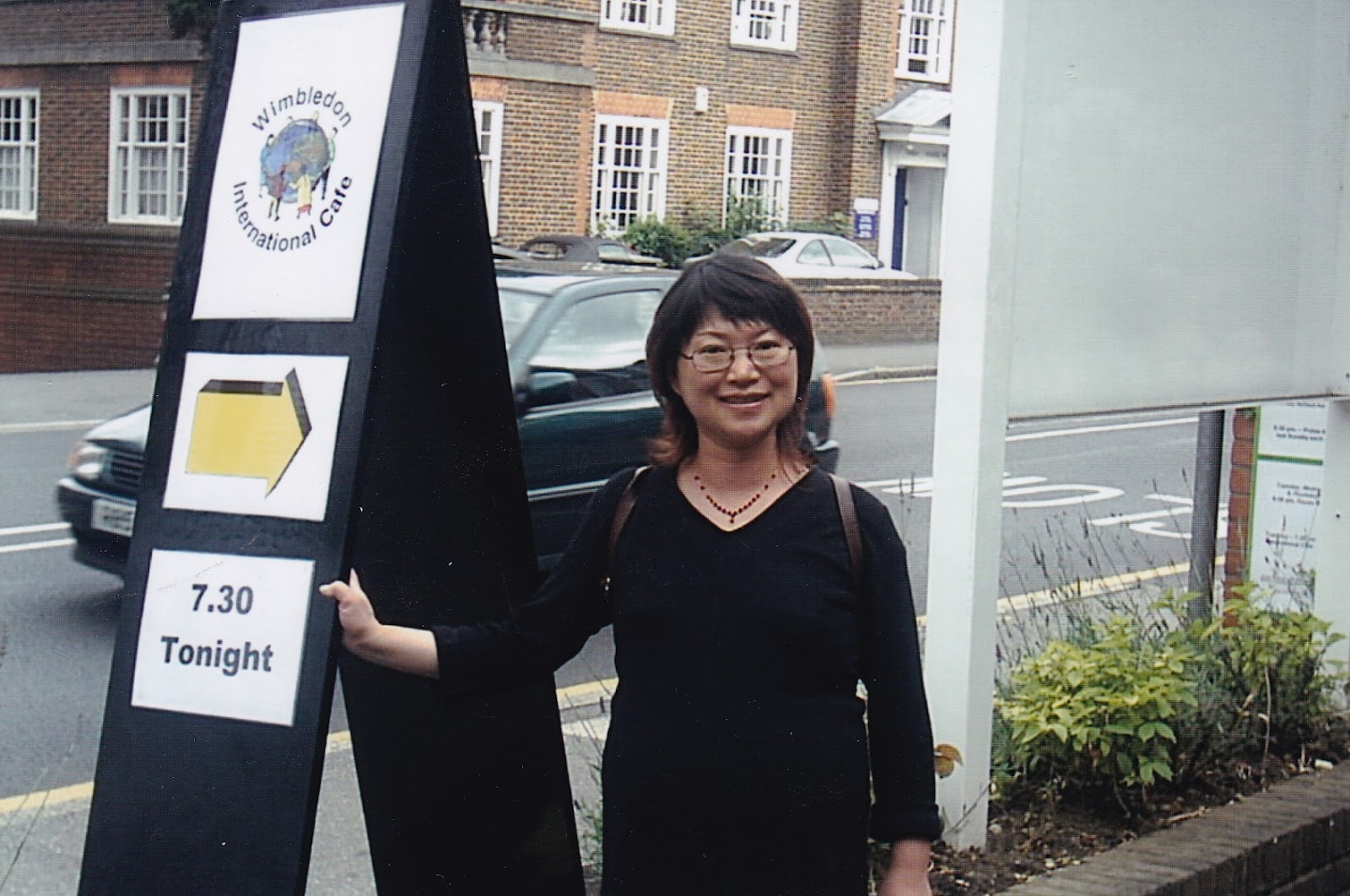
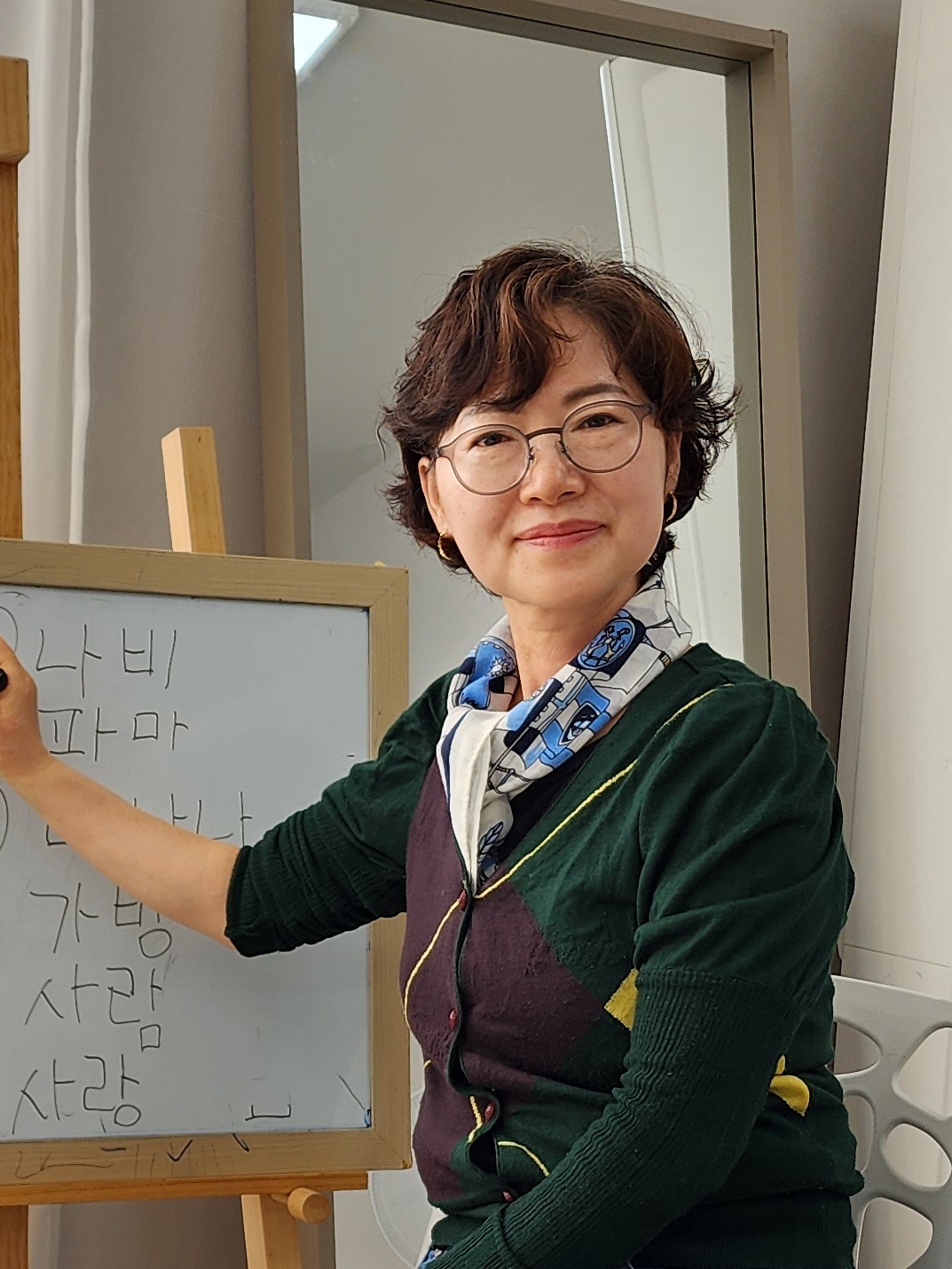
Hannah is a missionary whose journey of love and care began in Wimbledon, United Kingdom, and continued in South Korea in 2006. For more than 20 years, she has walked alongside refugees, including multicultural families and North Korean defectors, offering meals, counseling, language support, and musical events for healing.
Her story is not only about service, but about staying, listening, and building belonging one relationship at a time.
Hannah grew up shaped by a faith that was lived before it was spoken. From an early age she was drawn toward people on the edges — the neighbor who needed help, the person navigating an unfamiliar place, the question no one else was asking out loud.
She learned early that love was not primarily a feeling but a direction — something you pointed your life toward, repeatedly and imperfectly, even when it was inconvenient. That conviction would shape everything that followed.
"Genuine friendship can restore dignity and open pathways to new life."
Hannah's journey of hospitality and accompaniment first took visible form in the United Kingdom. While living there, she encountered refugees and immigrants facing isolation, language barriers, and unfamiliar systems.
She responded not with programs but with presence — sharing meals, offering practical help, and simply being there. She began walking alongside people navigating displacement and uncertainty. What started as personal friendship gradually became a recognized way of life.
As Hannah's calling led her to South Korea, the same values took deeper root. Opening her life and home to refugees, North Korean defectors, and marginalized families, what began as small acts of hospitality gradually grew into a community grounded in trust and long-term relationships.
"Walking with families through language challenges, daily life, and complex systems became the foundation of Amigo."
Guided by biblical values of love, justice, and service, Hannah began responding to both practical and relational needs — education, advocacy, community — not as separate programs but as expressions of the same friendship she had always offered.
Today Hannah leads Hannah's House and Amigo from South Korea. She continues to work directly with refugees, North Korean defectors, and marginalized families — staying close to the people and relationships at the heart of everything Amigo does.
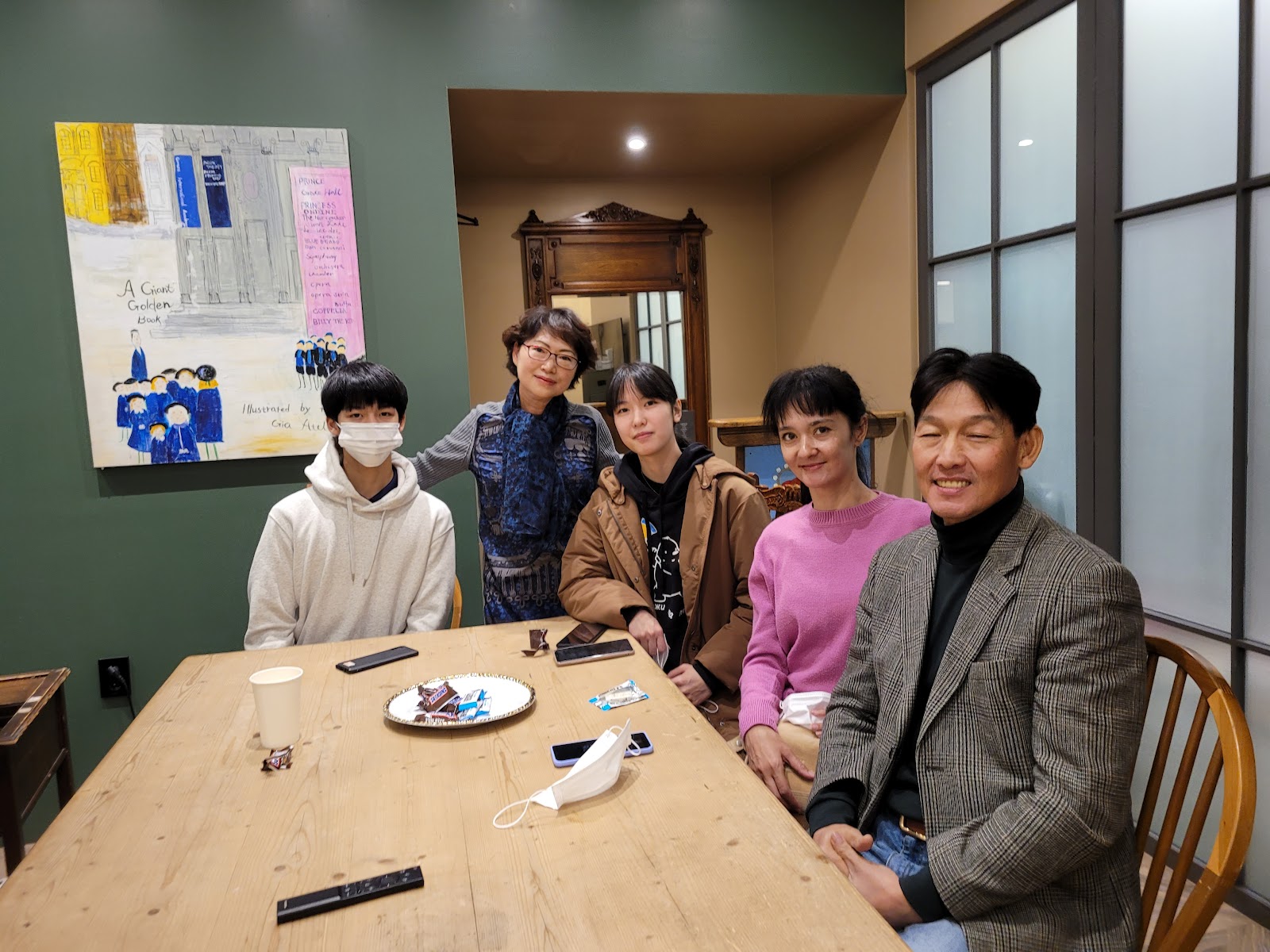
Today, Amigo continues to grow as a faith-rooted community that sees refugees not as recipients of aid, but as neighbors and friends. The kitchen table is still at the center of it all.
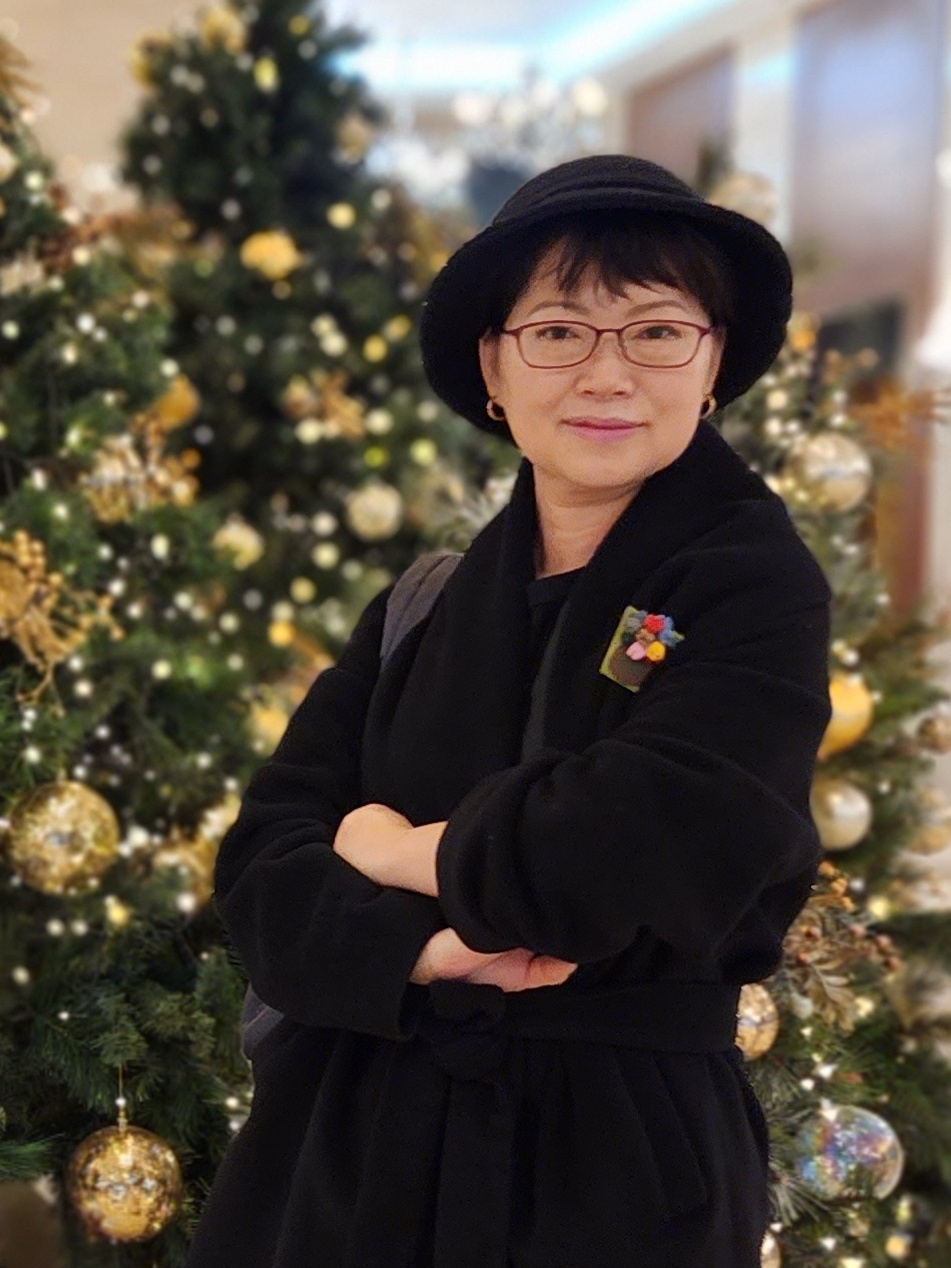
"Together, we seek restoration, resilience, and a more compassionate society where everyone has a place to call home."
Click through the major eras that shaped her mission and life's work.
Hannah's journey is a living one. If it has moved you, there are ways to walk alongside it — with your prayers, your presence, or your generosity.
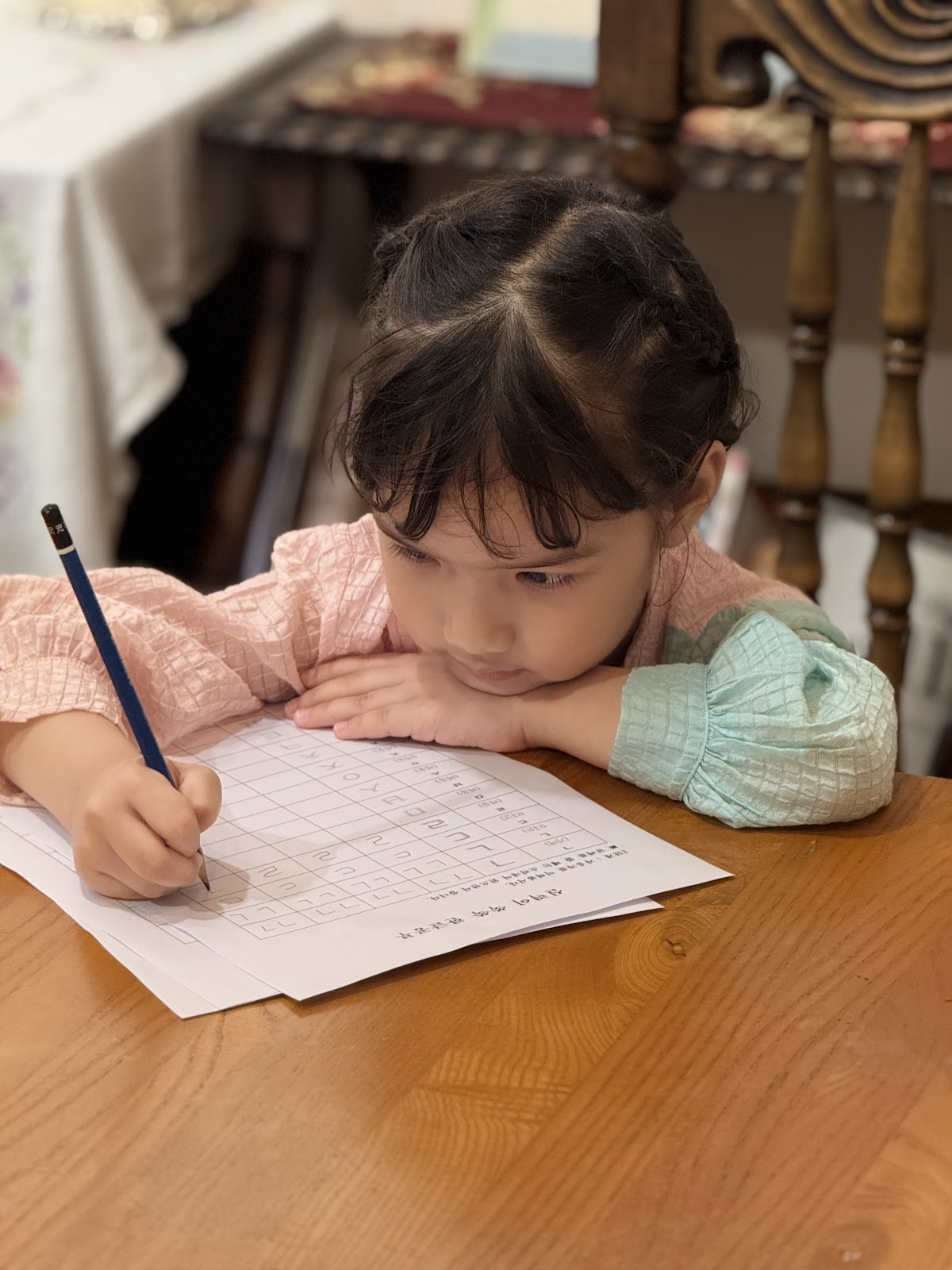
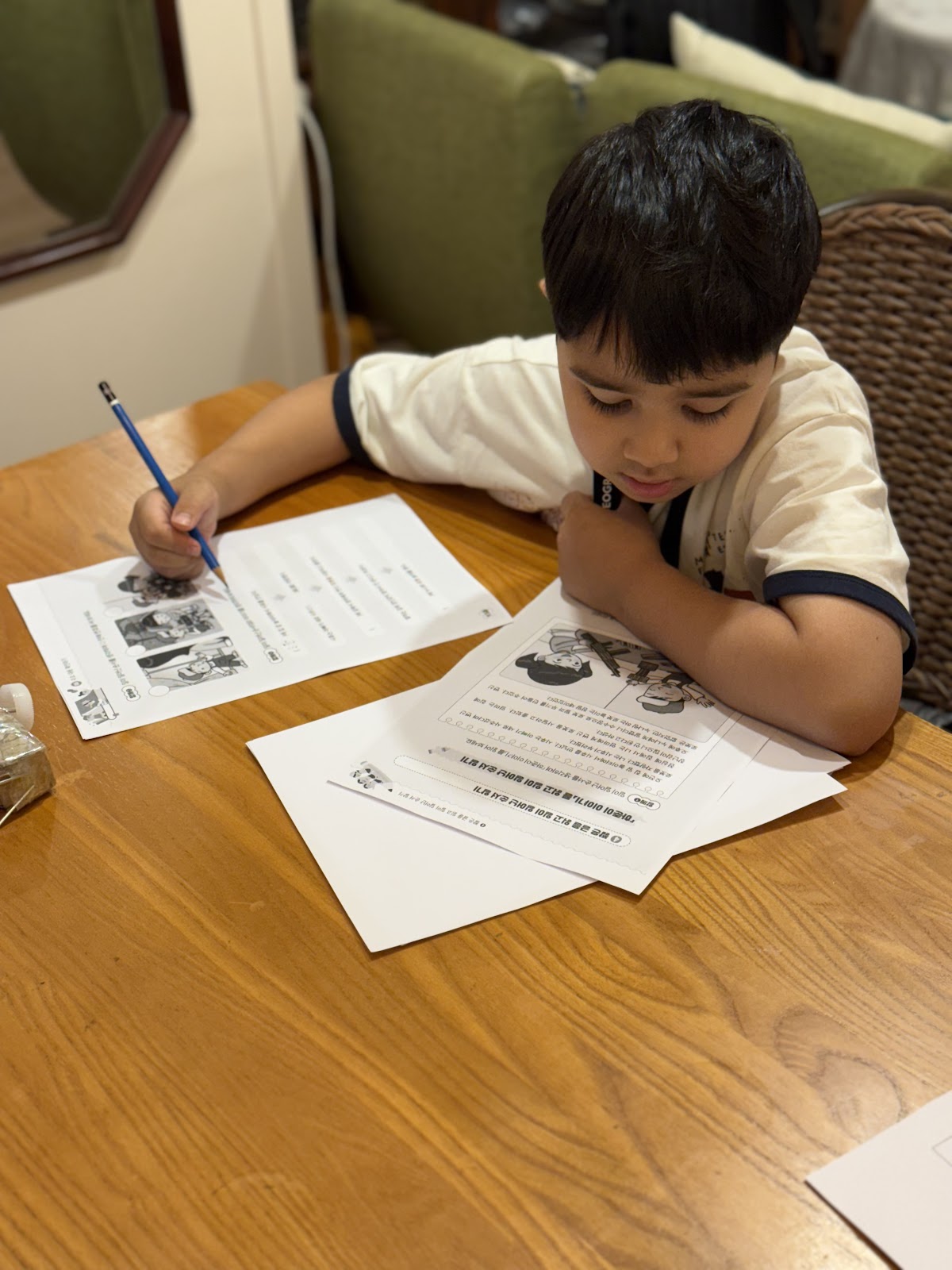
We support refugees in overcoming language and learning barriers through Korean language classes, English instruction, and music programs — giving both children and adults the tools to belong and to thrive.
Many refugees experience interrupted education and significant language barriers that affect both daily life and long-term opportunities. Limited proficiency in Korean can make communication, employment, and participation in society difficult for adults.
Children often struggle to keep up in school without sufficient language and learning support. At the same time, access to quality education — including creative learning opportunities such as music — is often limited for refugee children, affecting confidence, emotional well-being, and healthy development.
We address these challenges by providing inclusive education for both adults and children. Our programs focus on Korean language learning to support daily communication and integration — so that a trip to the market, a parent-teacher meeting, or a job application no longer feels impossible.
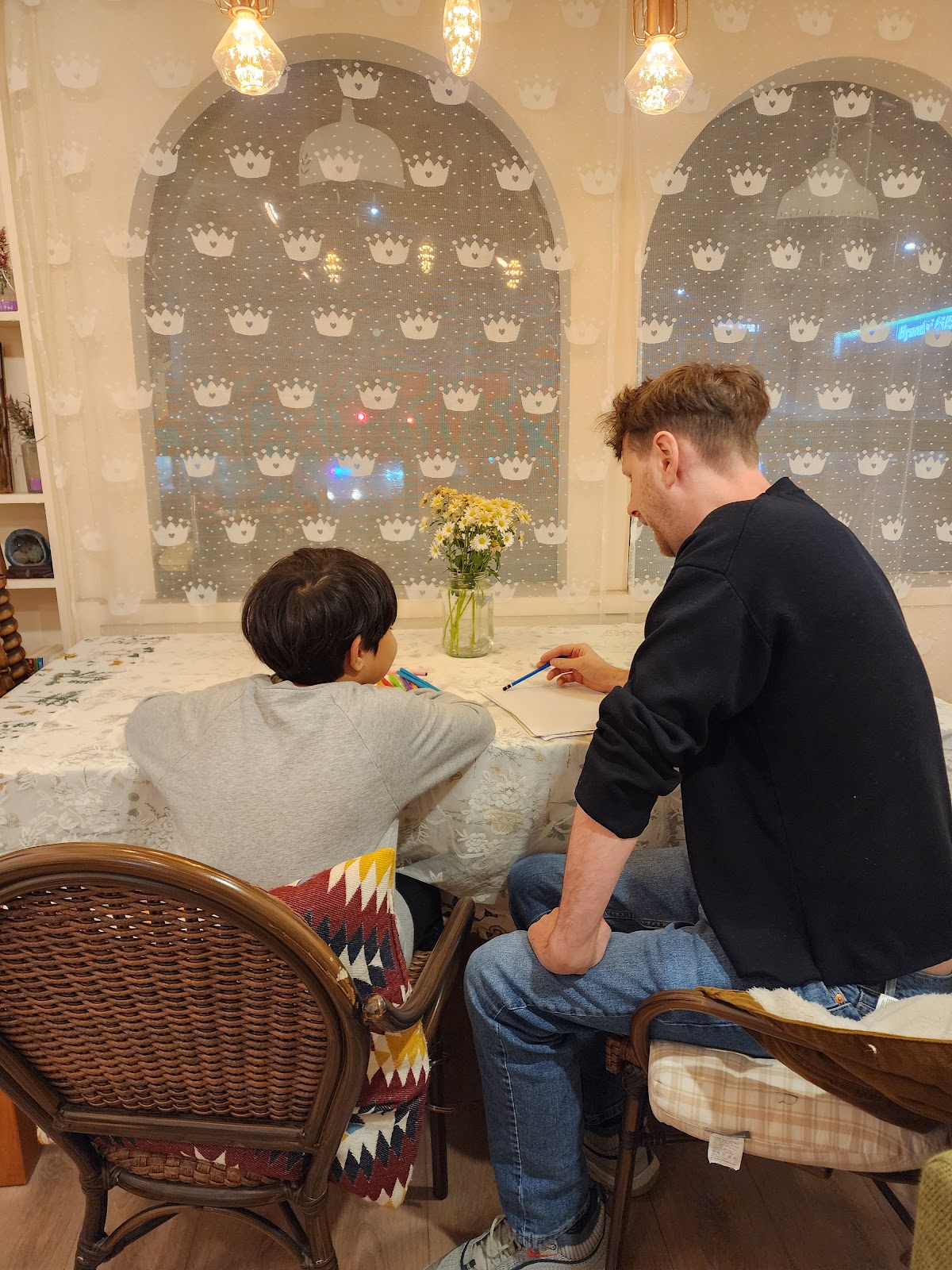
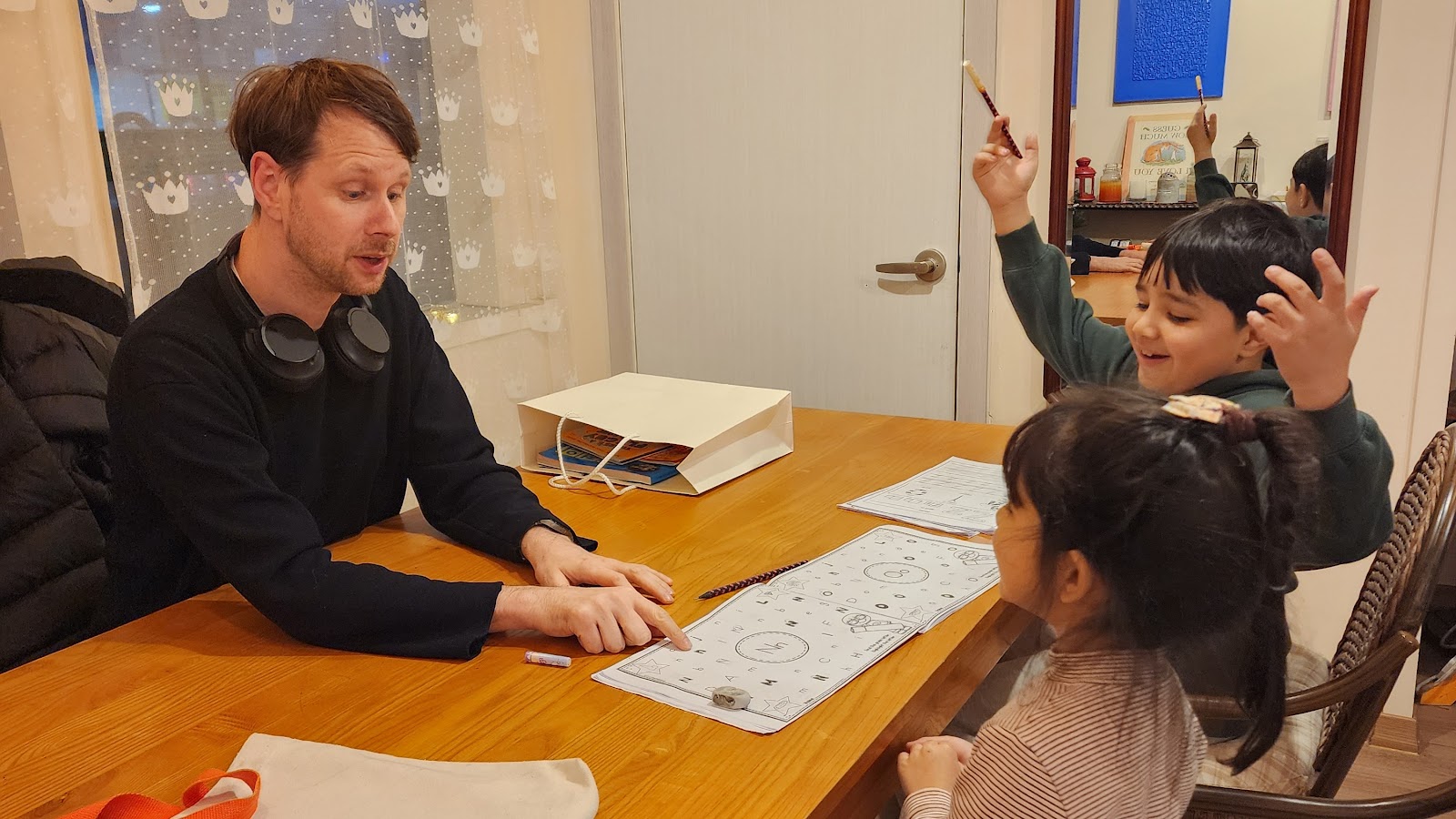
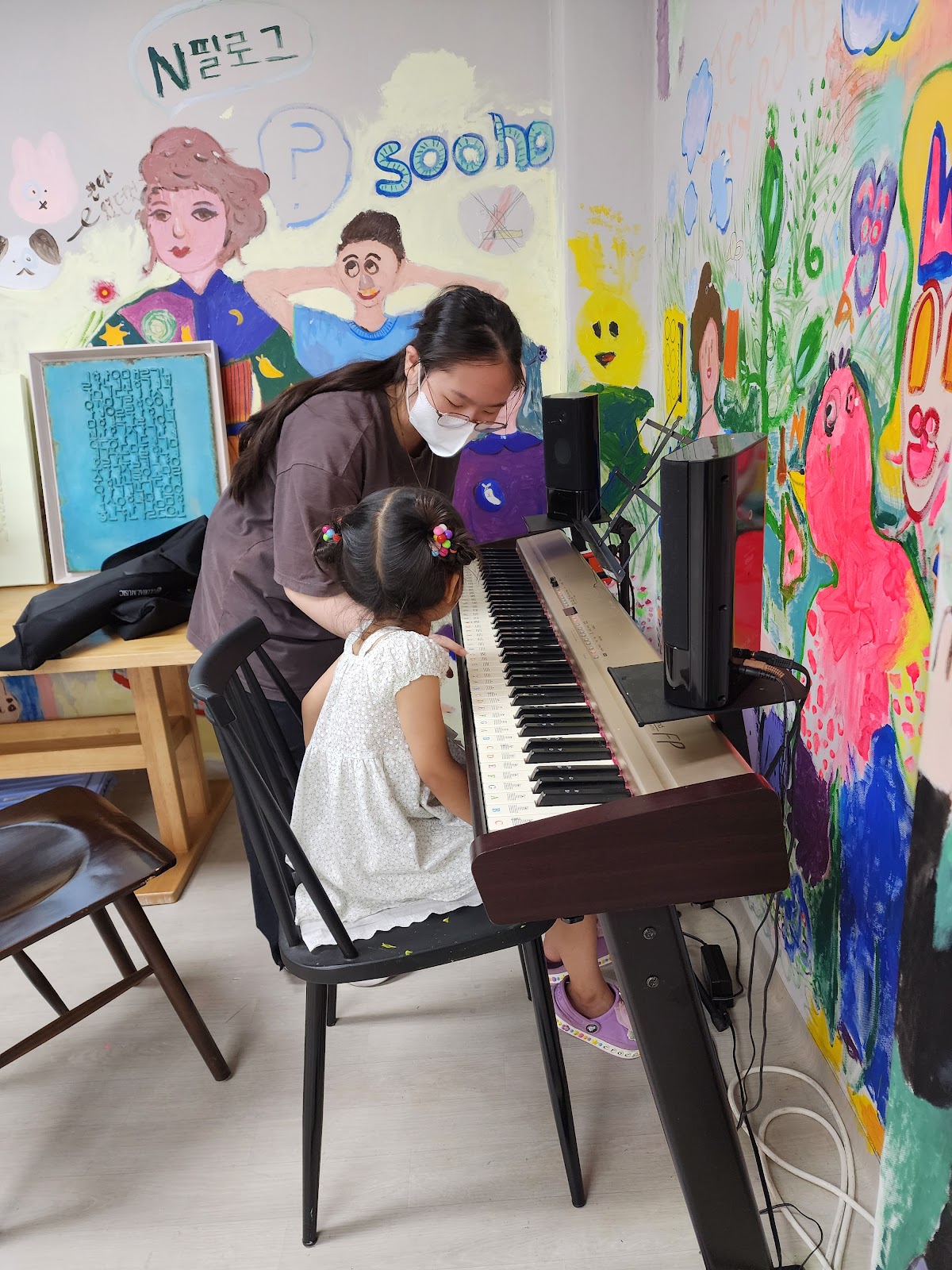
We also offer English instruction and music programs, such as piano lessons, for refugee children. Through education that combines academic learning and creative expression, we help refugees build confidence, skills, and pathways toward long-term growth.
Every class begins with a relationship. Teachers and volunteers show up week after week — not just to teach, but to be present to the person sitting across from them. Learning, in the Amigo model, is always an act of friendship first.
Your support helps refugees access language classes, music programs, and the learning opportunities that make long-term belonging possible.
Shared meals, quarterly concerts, and retreats that restore belonging and build trust across cultures.
Read More →Guiding refugees through government systems so no one is excluded from the support they deserve.
Read More →We create gathering spaces — shared meals, quarterly concerts, and retreats — where refugees and local residents build real relationships, restore belonging, and find a community that feels like home.
Many refugees and socially isolated individuals experience loneliness and a lack of meaningful social connection in their daily lives. Cultural differences, language barriers, and limited opportunities for interaction often make it difficult to build relationships with local communities.
Without welcoming spaces to gather and connect, isolation can deepen over time — affecting emotional well-being, mental health, and a person's sense that they truly have a place in the world around them.
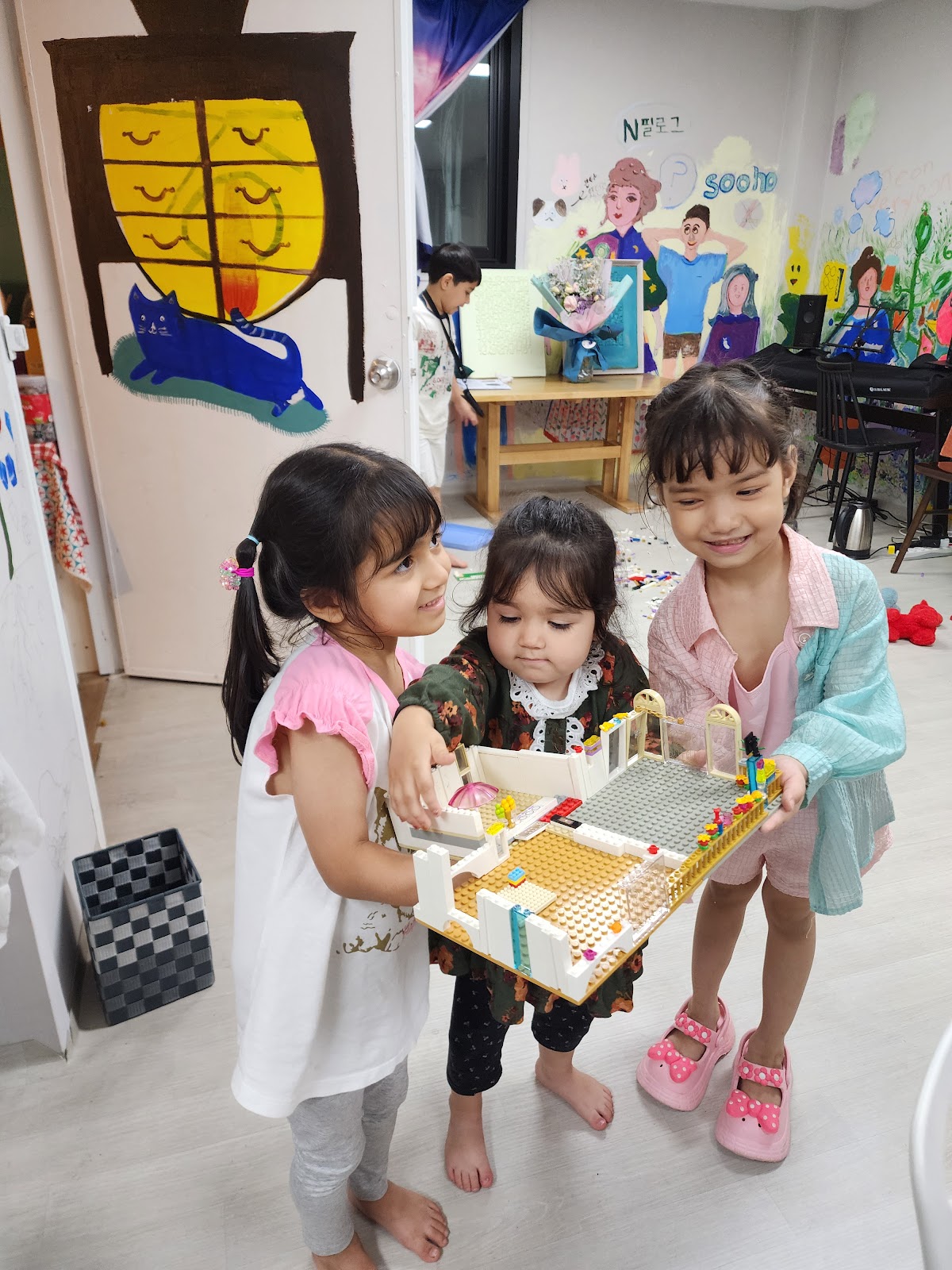
We create spaces where people can connect naturally through music, shared meals, and community. Each quarter, we host small concerts that invite refugees and socially marginalized individuals to gather, share food, and experience comfort and connection through music.
These gatherings create opportunities for simple greetings, meaningful conversations, and relationship-building — allowing refugees to engage with and feel welcome in the local Korean community. What begins as a concert becomes a friendship. What begins as a shared meal becomes a network of trust.
In addition, we operate a retreat space called Forest Small House in Pohang, where we regularly host community retreats that bring together refugees, local residents, and North Korean defectors. By spending time together through shared meals, conversations, and communal activities, participants gain a deeper understanding of one another's cultures and life stories. These retreats foster trust, mutual respect, and lasting relationships, helping to restore a sense of belonging and community.
[add later — specific event dates, retreat schedule, how to attend or volunteer for community events]
Your support helps Amigo host gatherings, run retreats, and build the kinds of spaces where refugees and neighbors become friends.
Korean language classes, English instruction, and music programs that open long-term doors for refugees and their children.
Read More →Guiding refugees through government systems so no one is excluded from the support they deserve.
Read More →We walk alongside refugees through government systems, welfare applications, and administrative offices — ensuring that language barriers and complex procedures never stand between a person and the support they deserve.
Many refugees in South Korea face significant barriers in accessing administrative and institutional support. Even when public assistance and welfare programs exist, information is often unclear, difficult to navigate, or unavailable in accessible languages.
As a result, many refugees remain unaware of the support they are eligible for, while others face complex procedures that make it challenging to apply on their own. These systemic barriers often leave refugees without essential resources needed for stability and integration — not because help does not exist, but because the path to it is too difficult to walk alone.
We help refugees access public and administrative support by guiding them through available government policies and welfare systems. Our team provides clear explanations of relevant programs, assists with application processes, and accompanies refugees to administrative offices and welfare centers when needed.
The work is patient and unglamorous. It means sitting in waiting rooms together. It means translating not just language but bureaucratic logic into human terms. It means calling the right office, returning when things fall through, and never giving up because the system is complicated.
By walking alongside refugees through each step, we help ensure that no one is excluded from essential support simply due to language barriers, lack of information, or complex administrative procedures. Advocacy, at Amigo, is friendship applied to systems.
[add later — specific types of advocacy support offered, eligibility, how to request help, partner agencies]
Your support enables Amigo to keep accompanying refugees through complex systems — so that no one is turned away from help because the paperwork was too hard to face alone.
Korean language classes, English instruction, and music programs that open long-term doors for refugees and their children.
Read More →Shared meals, quarterly concerts, and retreats that restore belonging and build trust across cultures.
Read More →Browse photos and stories from Hannah's ministry work over the years — Amigo programs, International Cafe, Visa Course, Weekend Away retreats, Singing Class, Sunday Bible Class, and the countless moments that have shaped lives and communities.
No items found in this category yet. We are currently updating the archive.